We are often asked a simple question: is your food organic? For us that is where the conversation starts, not where it ends.
What an organic label actually tells you
In India, food sold as organic has to be certified under one of two systems. NPOP is run through the Commerce Ministry and uses accredited certifiers. PGS-India is a group system in which farmers check each other, under the Agriculture Ministry. FSSAI, the food regulator, requires one of the two.
Both systems are about method. They confirm that the crop was grown without synthetic pesticides and fertilisers, on land managed under set rules, with records to show for it.
That is worth having. But notice what kind of information it is. It tells you what was avoided.
What the label does not tell you
A certificate says nothing about:
- Where the crop grew. Soil and climate shape a grain more than most people expect.
- Which season it came from. A wet harvest and a dry harvest give different grain.
- How long ago it was harvested, milled or packed.
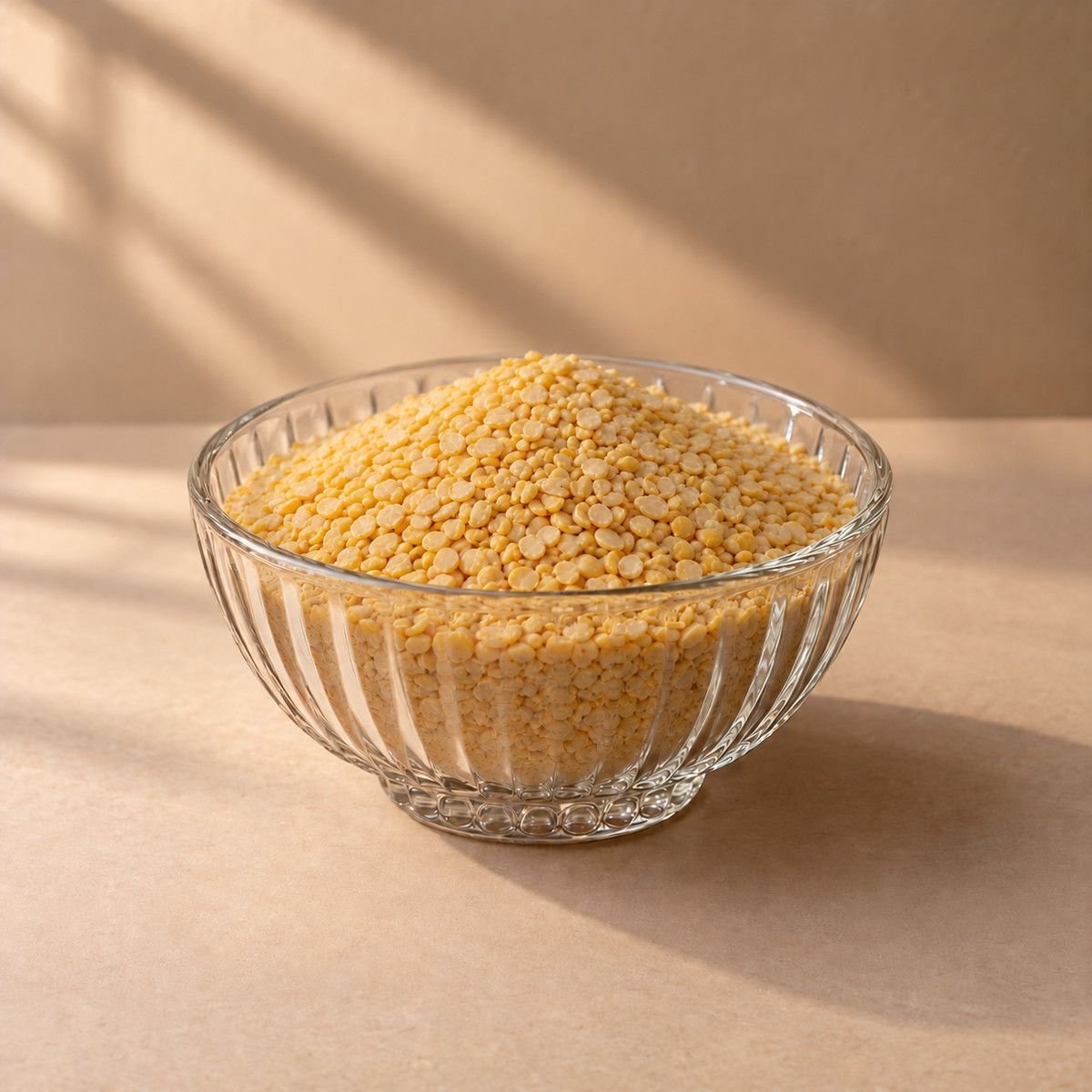
- How it cooks. Whether the dal softens evenly, whether the roti stays soft.
- How it tastes.
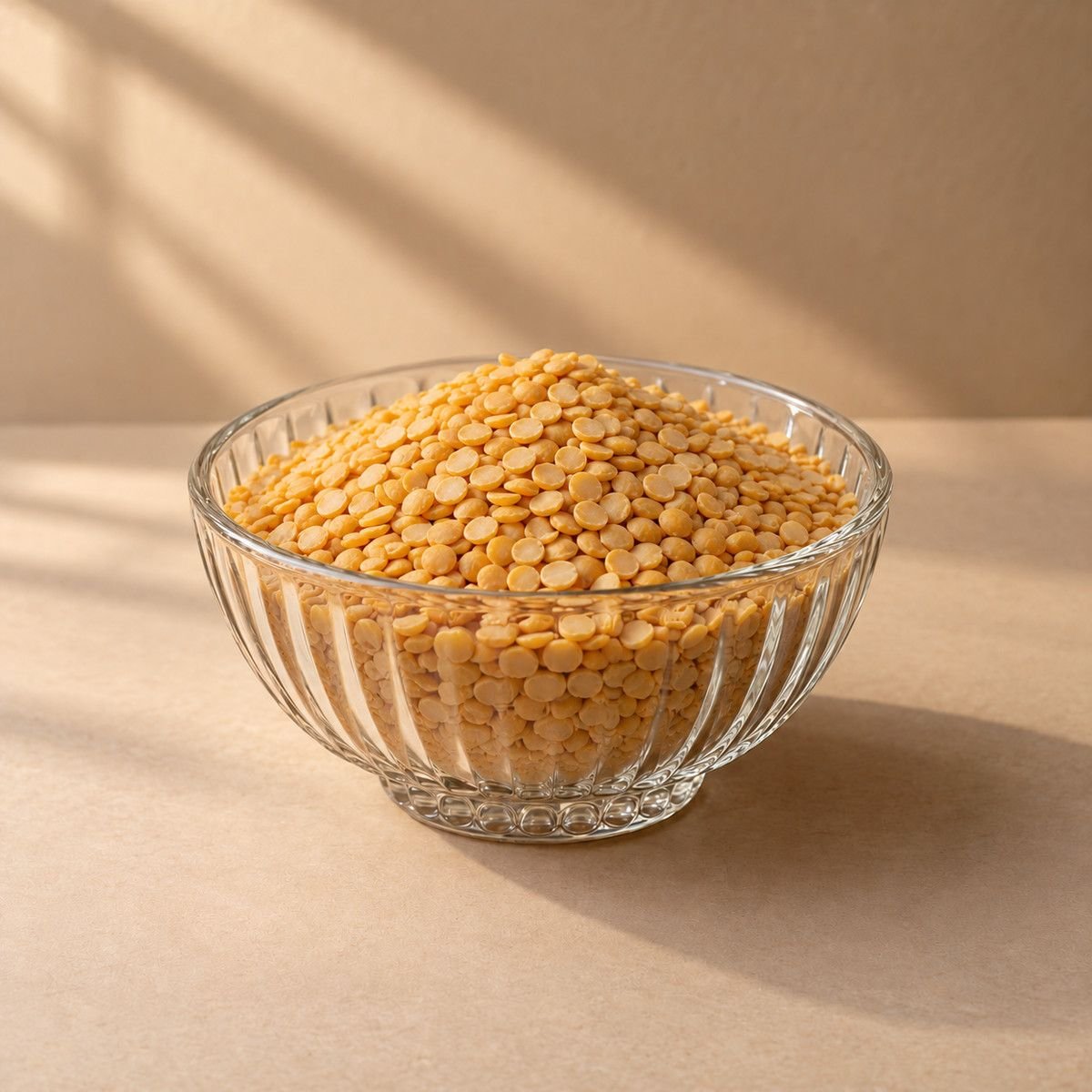
Two bags of organic toor dal can both be fully certified and still cook completely differently. One turns creamy in twenty minutes. The other stays hard at the centre. The certificate is identical.
Why we treat organic as the first question
When we look at a new product, organic gets it onto the table. Then the real questions start.
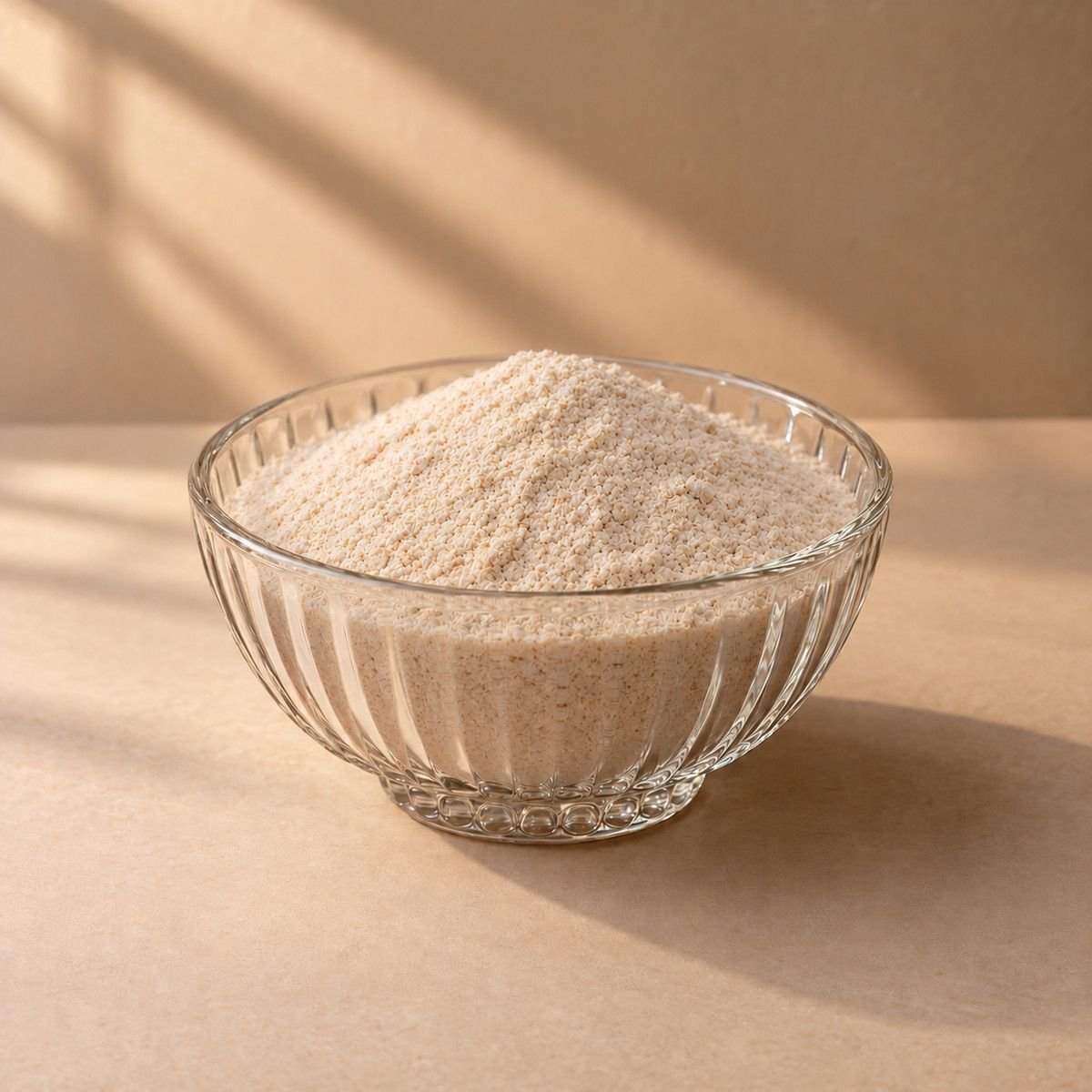
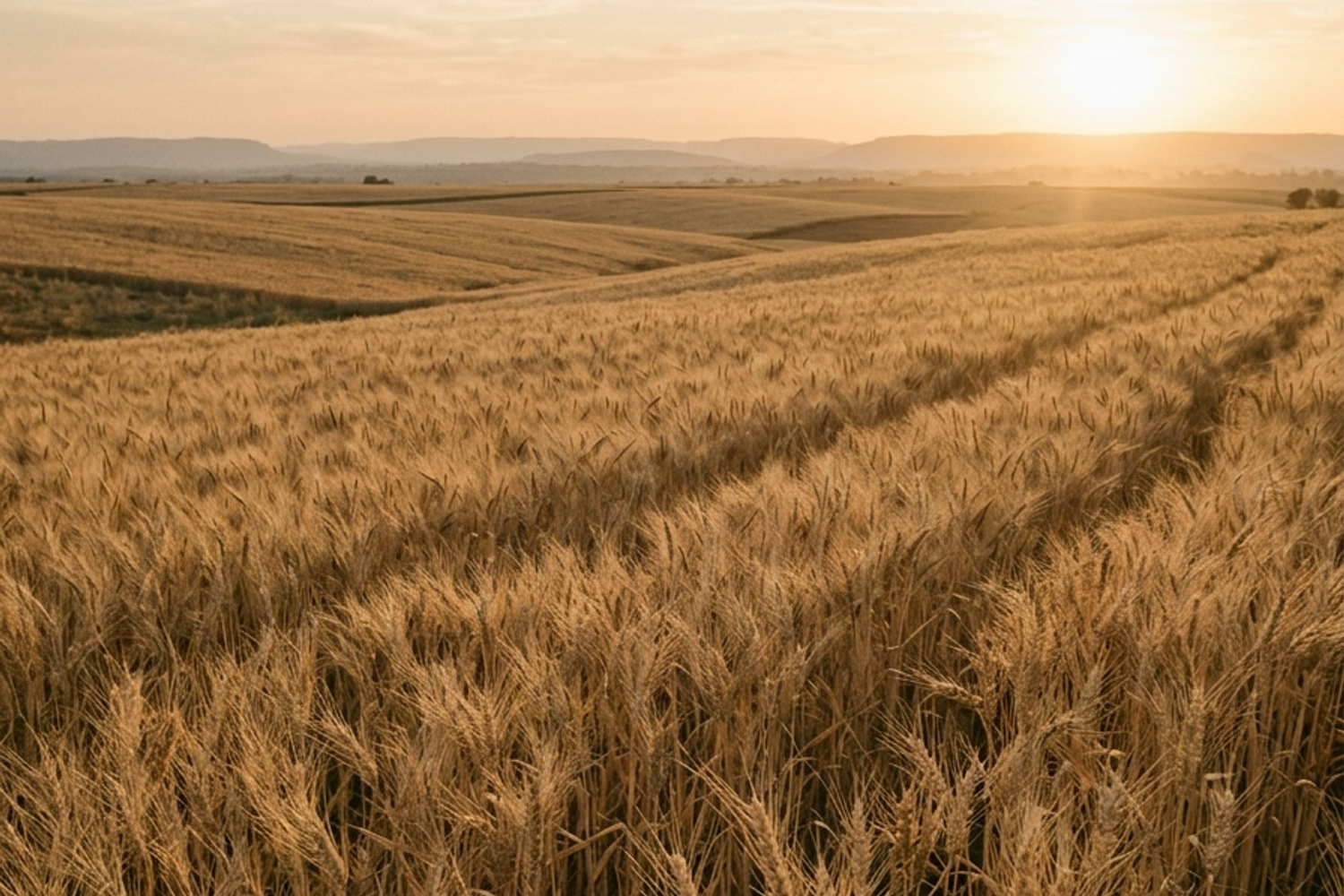
Where is it from? We start with the place: the soil, the surroundings, the growing conditions. Our wheat comes from Sehore in Madhya Pradesh, where it grows slowly in black soil. Our toor dal comes from Sultanpur in Uttar Pradesh.
What was the season like? Weather is part of a crop’s story, so we look at the conditions from sowing through harvest.
How does it behave in the kitchen? We cook it. Appearance, aroma, taste and texture all have to hold up. If the food is not exceptional to eat, no label rescues it.
What can we not see? Testing covers what the senses cannot.
A product has to get through all four. Many organic products do not.
So is organic food better?
It is a better starting point. It is not a finish line. If you are choosing between two products and one is organic, that is a real point in its favour. But it is one point. Ask the next questions too: where is this from, how fresh is it, and does it actually taste good?
That last question is the one most labels cannot answer. It is the one we care about most.
Ordering in Hyderabad
Earthenic is based in Hyderabad and delivers across the city. Everything in our pantry has been through the four questions above. You can order on WhatsApp or browse the pantry.
Common questions
What does organic certification mean in India?
Food sold as organic in India has to be certified under one of two systems: NPOP, run through the Commerce Ministry, or PGS-India, a farmer-group system under the Agriculture Ministry. Both are about how the crop is grown and handled, not about its taste or freshness.
Does organic mean better quality?
Not automatically. Organic describes the farming method. Two organic crops can differ a lot in flavour, texture and cooking quality depending on where they grew, the season, and how they were stored.
How can I check if an organic claim is real?
Look for the certification logo and the certifier's details on the pack, and check the company on the official organic food portal run by FSSAI.
Is organic the only thing Earthenic checks?
No. Organic is where our selection starts. After that we look at origin, season, how the product cooks and tastes, and testing. A product has to pass all of those to carry our name.