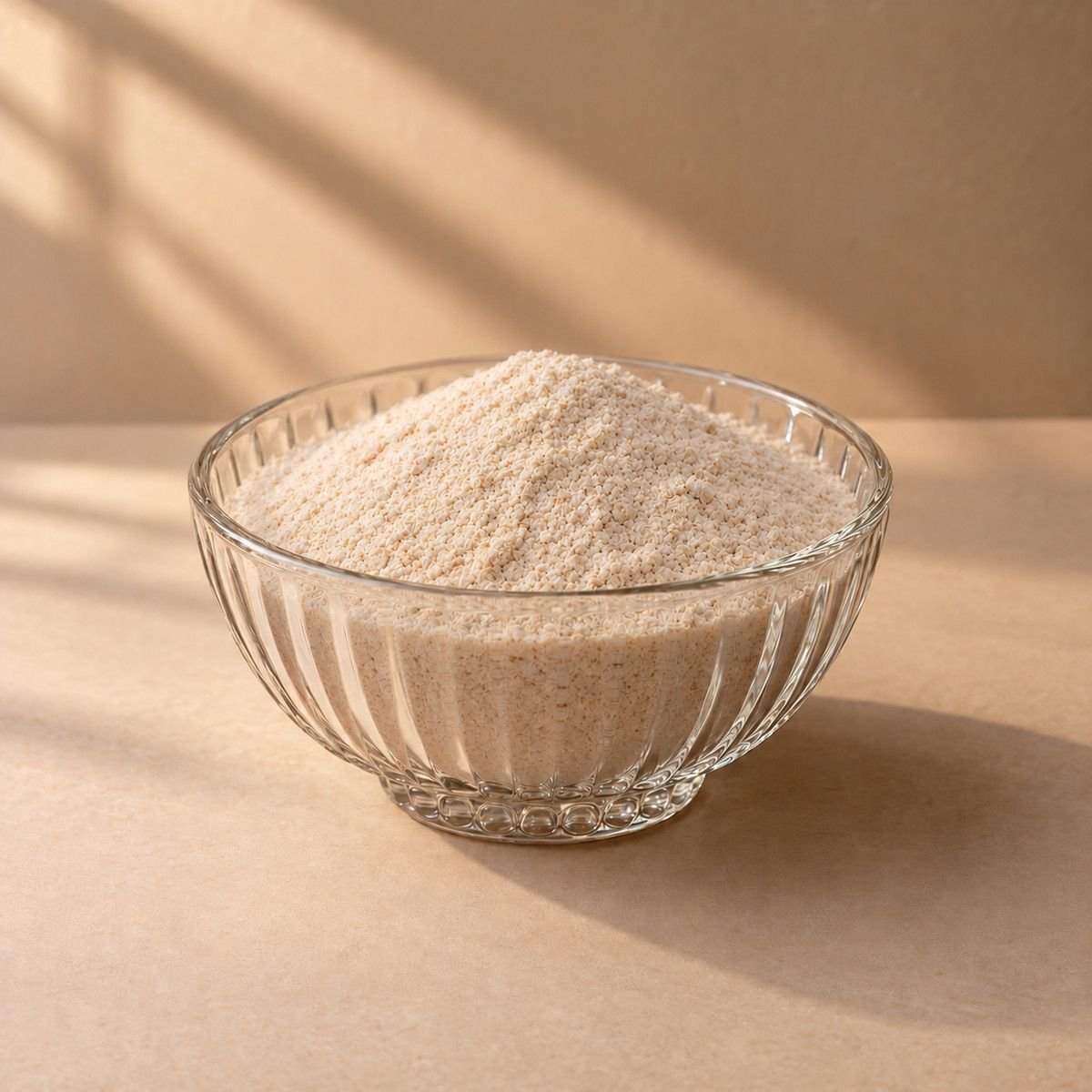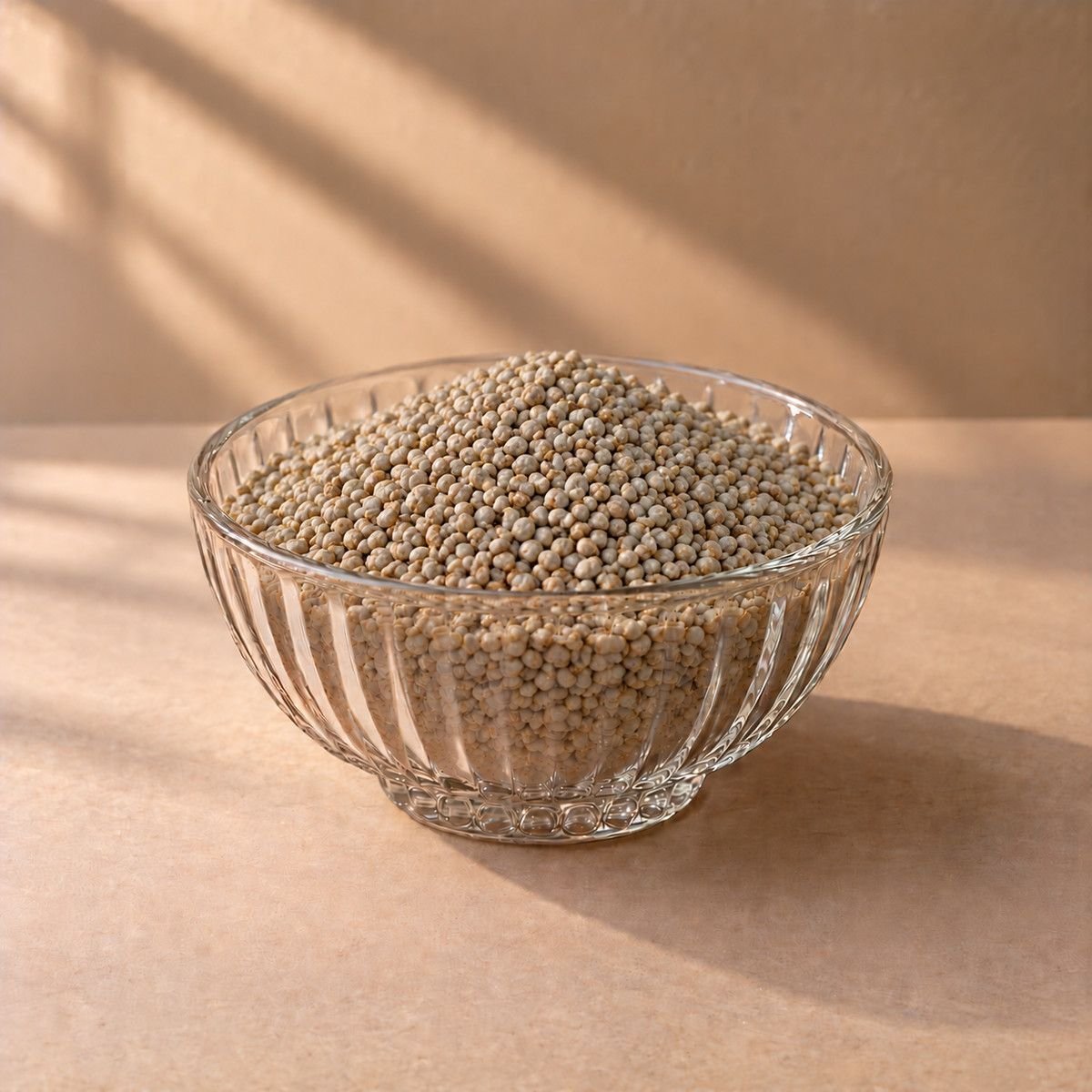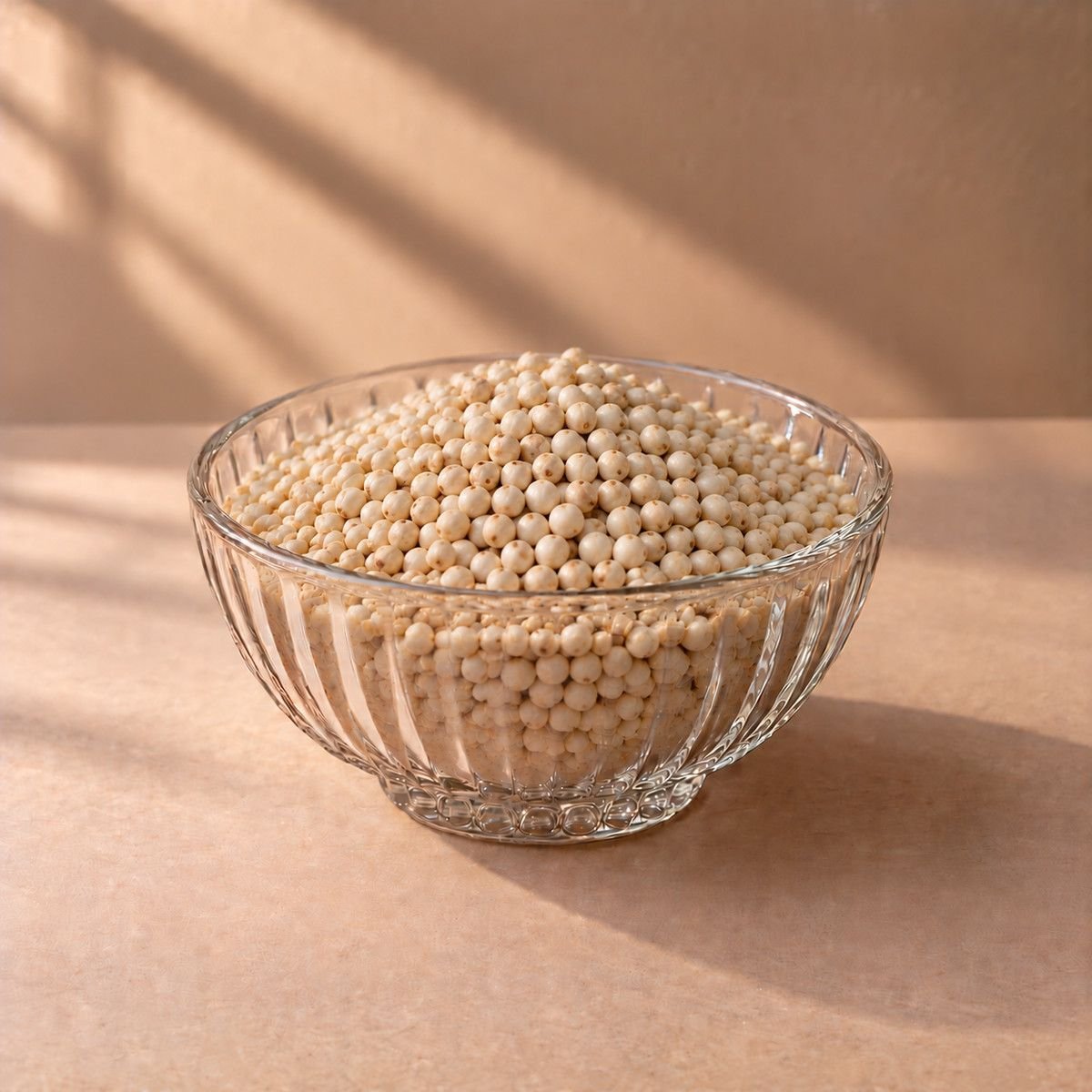
Anyone who cooks every day has noticed it, even without a name for it. This year’s atta takes a little more water. The new bag of dal cooks faster than the last. The jowar roti cracks at the edge when it never used to.
Usually nothing is wrong. You are tasting a different season.
A crop remembers its weather
A grain is built over months, and each stage depends on the weather.
Sowing and early growth. The plant needs enough moisture to establish itself. Too little and it stays small. Too much and the roots struggle.
Grain filling. This is the stage that decides what you eat. The plant moves starch and protein into the grain over a few weeks. Cool, steady weather gives it time, and the grain fills out plump and even. A sudden hot spell rushes it, and the grain ends up smaller and harder.
Harvest. Grain wants to be cut and dried in clear weather. Rain at harvest means damp grain, and damp grain does not store well.
Wheat: a winter crop
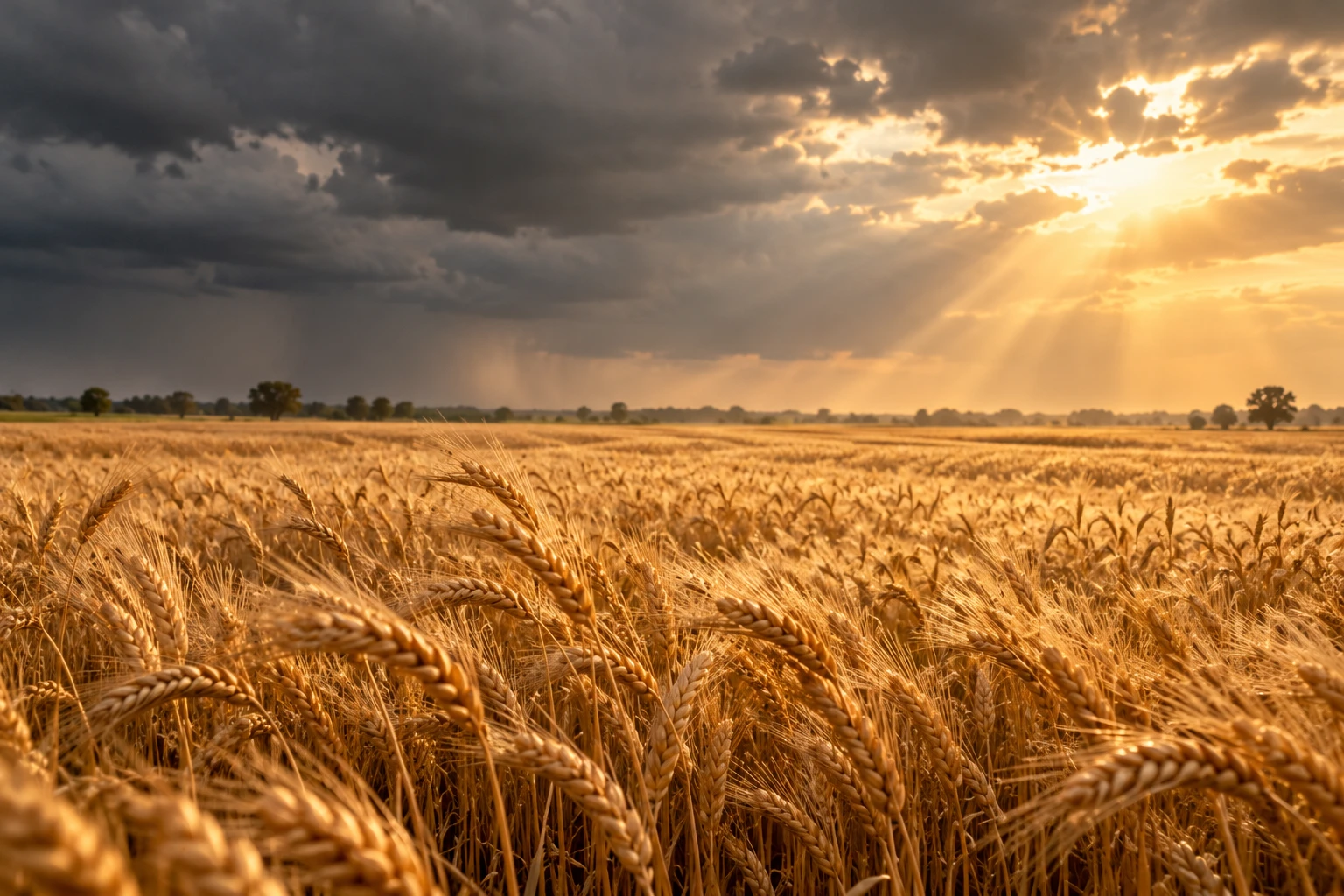
Wheat in India is a Rabi crop. It is sown after the monsoon and harvested in spring. It likes a long, cool winter.
Our wheat comes from Sehore in Madhya Pradesh, where it grows in black soil that holds moisture well. In a good year the winter is cool and the grain matures slowly. In a year when March turns hot early, farmers across the wheat belt see lighter grain. The flour is still good. It is just not identical, and it will ask for a little more or less water in your dough.
Millets: built for dry land
Bajra, jowar and the small millets are different. They need far less water and they tolerate heat. That is why they have always been grown in drier regions.
Our millets come from Davangere and Chitradurga in Karnataka, dry inland districts where these crops belong. Millets are forgiving, but they still respond to the season. A year with well-timed rain gives fuller grain and a softer roti.
Pulses: timing is everything
Toor, moong and chana are sensitive to rain at the wrong moment. Rain during flowering can reduce the crop. Rain near harvest can mark the grain. A steady season gives dal that is even in size, which is the main reason it cooks evenly.
What this means in your kitchen
Most packaged food is blended so that every bag behaves the same. That is convenient, and it also hides the season completely.
We would rather tell you the truth. Food from a named place and a single harvest will vary a little, the way fruit does. A few habits make that easy to live with:
- Add water to dough slowly, by feel, not by a fixed cup measure.
- Check dal a few minutes before you expect it to be done.
- Soak older or harder grain a little longer.
Why we pay attention to it
Before we accept a harvest, we look at the conditions it grew in, from sowing to cutting. It helps us understand why this year’s grain is the way it is, and whether it is good enough to carry our name. Some years it is not, and we look elsewhere.
Ordering in Hyderabad
Earthenic is based in Hyderabad and delivers across the city. Our atta, millets and dals come from a named place and a single harvest. You can order on WhatsApp or browse the pantry.
Common questions
Why does my atta need more or less water than the last pack?
Grain from different seasons holds water differently. A drier, harder harvest often takes more water in the dough, and a softer one takes less. Add water slowly and go by the feel of the dough.
Does rain at harvest time affect grain quality?
Yes. Grain that is harvested damp is harder to store and can lose quality. Farmers aim to harvest and dry the crop in clear weather for this reason.
Why do millets grow well in dry regions?
Millets such as bajra and jowar need far less water than rice or wheat and tolerate heat well. That is why they are traditional crops in drier parts of Karnataka, Rajasthan and Maharashtra.
What is a Rabi crop?
Rabi crops are sown after the monsoon, around October to December, and harvested in spring. Wheat and chana are the main Rabi crops in India.