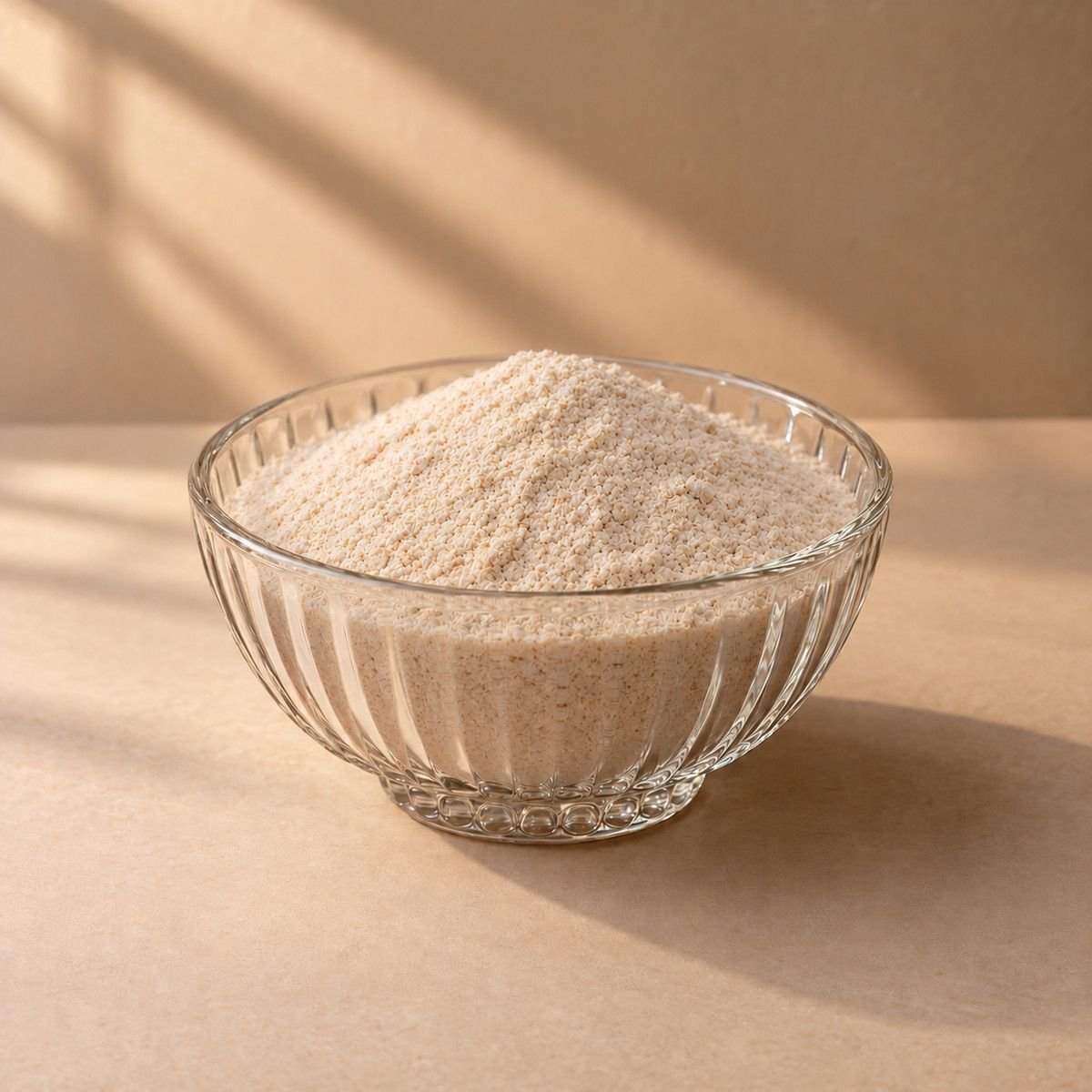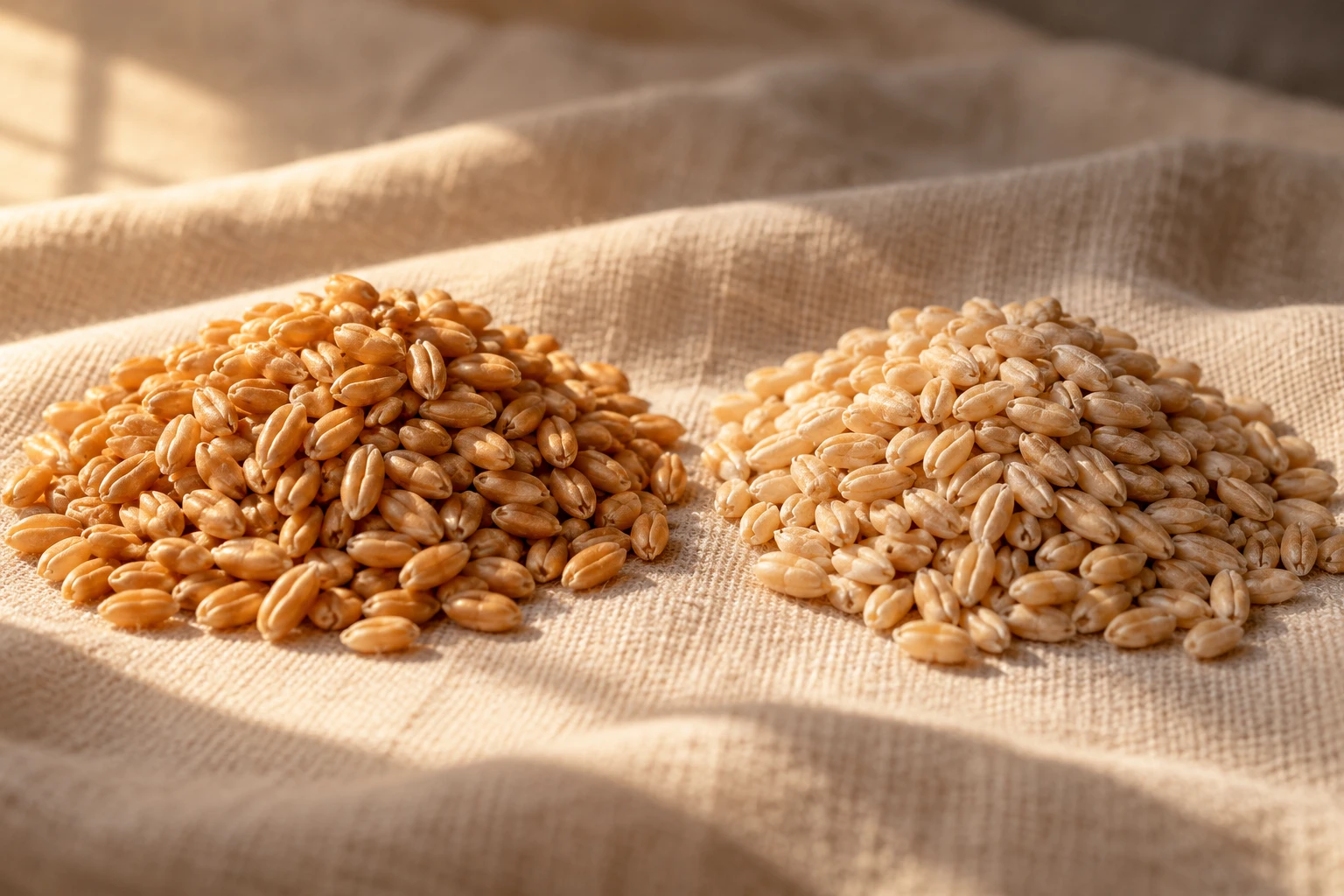
Take one bag of wheat seed and give half each to two farmers, one in Madhya Pradesh and one a thousand kilometres away. Same variety, same season. At harvest you will have two different grains.
One may be golden and heavy in the hand. The other may be paler and lighter. Mill them both and the first gives a soft, sweet-smelling roti while the second is fine but ordinary. The seed was identical. The place was not.
Variety is only the starting point
The variety sets what a plant can become. Where it grows decides what it actually becomes. Four things do most of the work.
Soil. Soil is the plant’s whole diet. Black soil holds water for a long time and releases it slowly. Sandy soil drains fast. The same plant feeds differently in each.
Water. How much, and when. Rain-fed crops and irrigated crops grow at different speeds.
Climate. Cool nights, warm days, the length of winter. A grain that matures slowly has more time to fill out.
Harvest timing. Cut a week early and the grain is not ready. Leave it too long and it starts to lose quality in the field.
Wine and coffee drinkers take all this for granted. We think everyday food deserves the same attention.
What it looks like in practice
Wheat. Our wheat comes from Sehore in Madhya Pradesh, part of the state’s main wheat belt. It grows in black soil and matures slowly through a cool winter. That slow growth is what gives the atta its aroma and keeps the rotis soft.
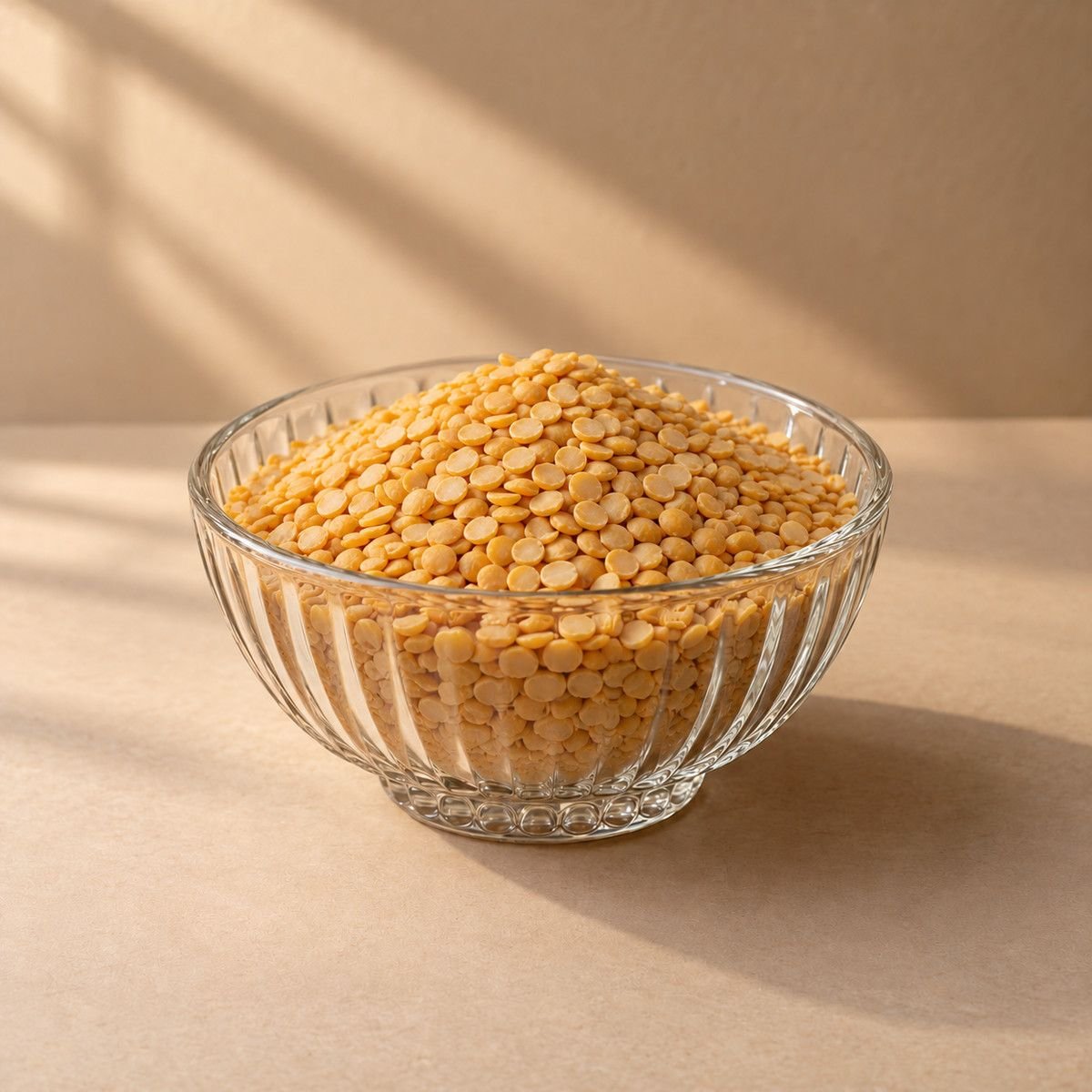
Toor dal. Ours comes from Sultanpur in Uttar Pradesh, grown in alluvial soil. Toor from different regions differs in size, colour and, most importantly, how quickly and evenly it softens.
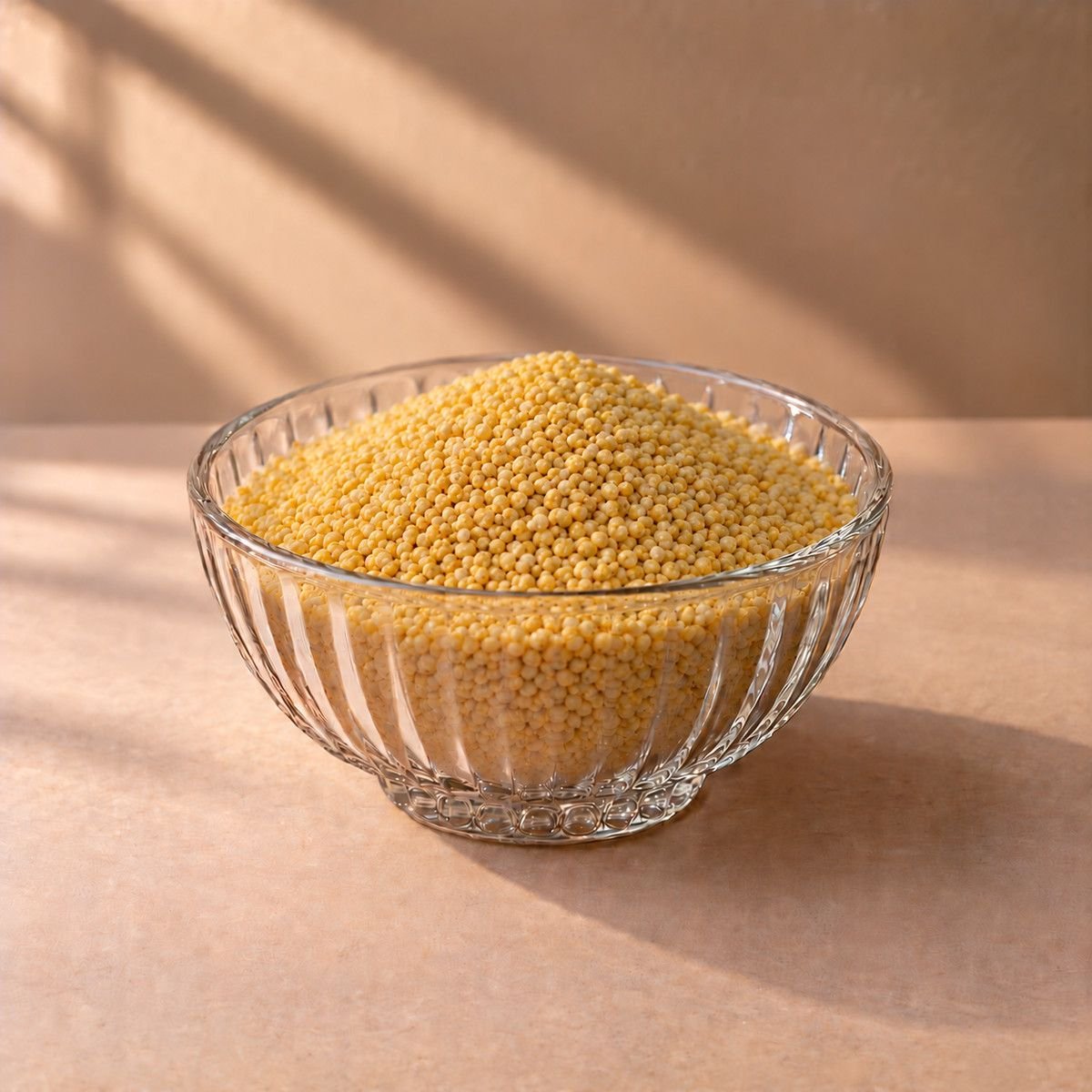
Millets. Our millets come from Davangere and Chitradurga in Karnataka. These are dry inland districts where millets have been grown for generations, on land that suits them.
Why most packs do not mention origin
Because most food is blended. Grain from many regions is mixed so that every pack is consistent and supply never runs short. It is practical, and it is why the label can only say “Product of India”.
Blending is not wrong. But it averages everything out, the best with the ordinary.
Why we name the place
We would rather choose one place carefully and tell you where it is. It means:
- you know exactly what you are eating,
- we can go back to the same source when a harvest is good,
- and when a harvest is not good enough, we can say no.
So we do not start by asking which supplier has stock. We start by asking where this food should come from. The answer goes on the pack.
How to use this when you shop
Next time you buy atta, dal or rice, look for a place name. Not a brand, a place. If it is there, someone made a choice and is willing to stand behind it. If it is missing, you are buying an average.
Ordering in Hyderabad
Earthenic is based in Hyderabad and delivers across the city. Every product in our pantry names the place it comes from. You can order on WhatsApp or browse the pantry.
Common questions
Does where wheat is grown change the taste of atta?
Yes. Soil, water and climate affect how the grain develops, which changes the aroma, the softness of the roti and how much water the dough takes.
Why is wheat from Madhya Pradesh so well known?
Madhya Pradesh has a long wheat-growing tradition, with black soil that holds moisture and cool winters that let the grain mature slowly. Sehore district is one of its best-known wheat areas.
What does single origin mean for food grains?
Single origin means the grain in the pack comes from one named place rather than being blended from many regions. It makes the product traceable and lets its natural character come through.
Is single-origin grain always better?
Not automatically. A named origin tells you where the grain is from, which lets you judge it. The place still has to suit the crop, and the harvest still has to be good.